
Why Konkan Is Emerging as Maharashtra’s Most Desired Coastal Destination
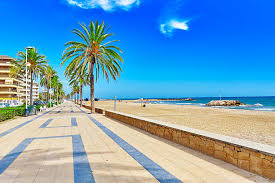
The Konkan region is fast becoming one of the most preferred destinations for lifestyle living, second homes, and long-term real estate investment in India. Stretching along the Arabian Sea, Konkan is known for its pristine beaches, green landscapes, spiritual heritage, and peaceful environment.
As urban cities grow denser and more stressful, buyers are actively looking for destinations that offer space, nature, and long-term value. Konkan fits perfectly into this shift in lifestyle and investment mindset.
A Rare Combination of Nature, Culture, and Calm
Konkan stands apart from other coastal regions due to its untouched natural beauty. Unlike overdeveloped tourist hotspots, many parts of Konkan still retain their original charm.
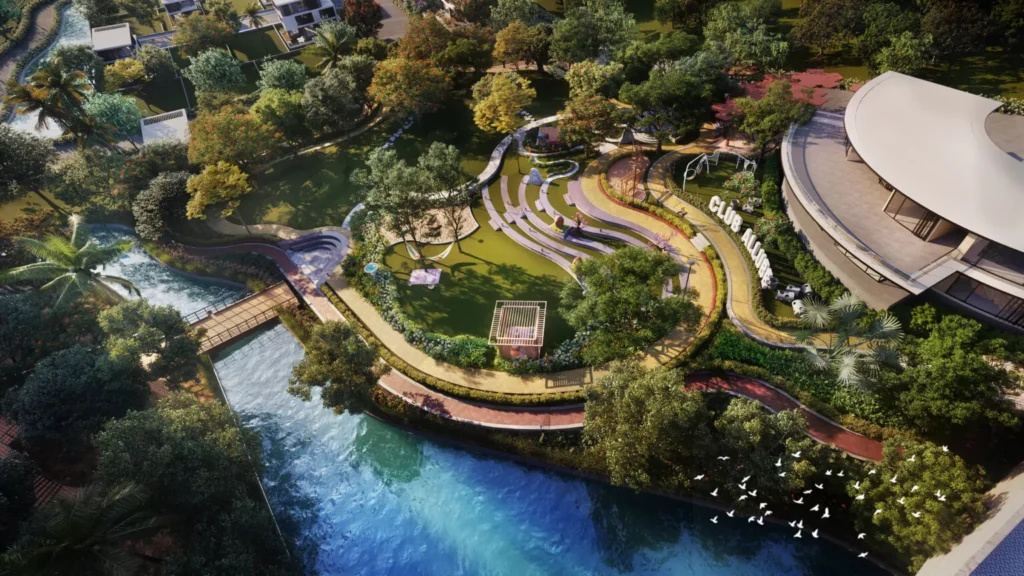
What Makes Konkan Unique:
- Clean and less crowded beaches
- Coconut groves, hills, and greenery
- Fresh air and open surroundings
- Slower pace of life
- Deep-rooted local culture and traditions
This balance makes Konkan ideal for people seeking peace without complete isolation.
Why Konkan Is Ideal for Second Homes
Second-home buyers today are not just looking for luxury—they are looking for quality of life. Konkan offers a natural environment that supports relaxation, wellness, and long stays.
Benefits of Owning a Second Home in Konkan:
- Escape from city congestion and pollution
- Ideal for weekend retreats and extended stays
- Suitable for retirement and slow living
- Strong emotional and lifestyle value
- Opportunity to build a custom home
Locations like Anjarle, Dapoli, and nearby coastal villages are increasingly being preferred over crowded hill stations and urban extensions.
Strong Long-Term Investment Potential
Konkan is no longer just a lifestyle destination—it is also emerging as a smart long-term investment corridor.

Reasons Konkan Has Investment Strength:
- Limited coastline availability
- Low supply of organized developments
- Growing demand for second homes
- Increasing road connectivity from Mumbai and Pune
- Rising interest from urban and NRI buyers
Land in coastal Konkan is finite. As awareness and accessibility increase, well-planned developments are expected to gain steady appreciation over time.
Shift from Apartments to Land Ownership
One of the biggest trends in Indian real estate is the shift from vertical living to land ownership. Buyers are increasingly choosing plotted developments in scenic locations over apartments in congested cities.
Why Buyers Prefer Land in Konkan:
- Flexibility to build later
- No depreciation like buildings
- Lower long-term maintenance costs
- Better legacy planning
- Higher emotional value
Konkan offers an ideal environment for this shift, especially in branded and well-planned developments.
Final Thoughts – Why Konkan Makes Sense Today
Konkan is no longer an undiscovered destination—it is an emerging lifestyle and investment region backed by nature, limited supply, and changing buyer preferences.
Whether you are looking for:
- A peaceful second home
- A long-term land investment
- A healthier way of living
- A legacy asset for the future
Konkan offers a compelling answer.
Improved Connectivity Boosting Konkan’s Growth
Connectivity has always played a key role in real estate growth. Over the years, Konkan has seen steady improvement in road infrastructure, making travel smoother and more convenient.
- Better road access from Mumbai and Pune
- Improved internal connectivity within the Konkan belt
- Easier travel for weekend and holiday visits
As infrastructure improves, destinations like Anjarle become more accessible, increasing both lifestyle usage and investment demand.



Konkan as a Wellness and Spiritual Destination
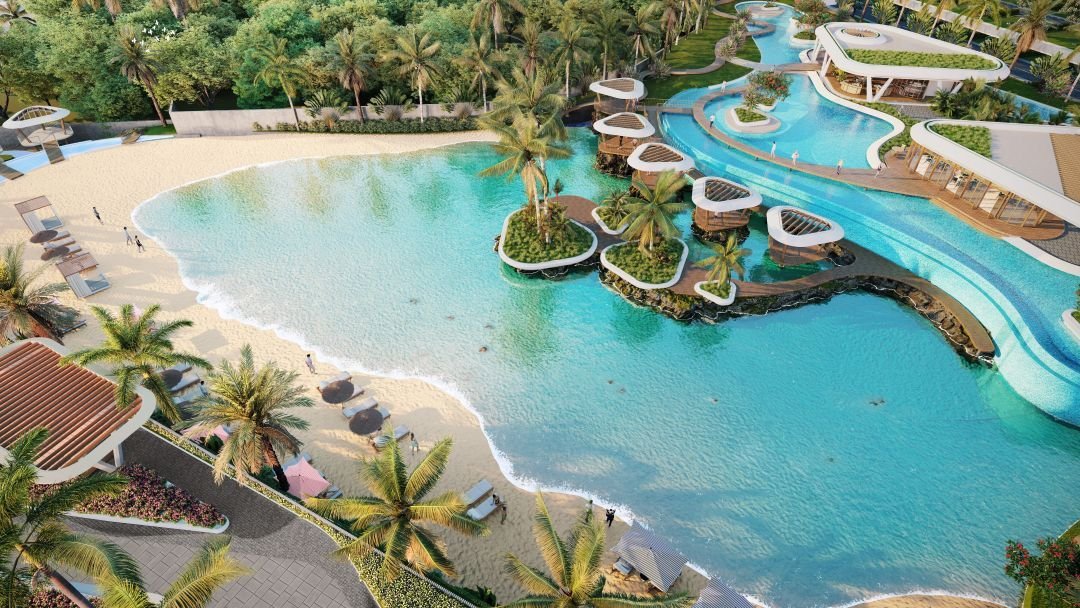
Beyond beaches and greenery, Konkan has a strong spiritual and wellness appeal. Temples, peaceful villages, and natural surroundings make it ideal for mental and emotional well-being.
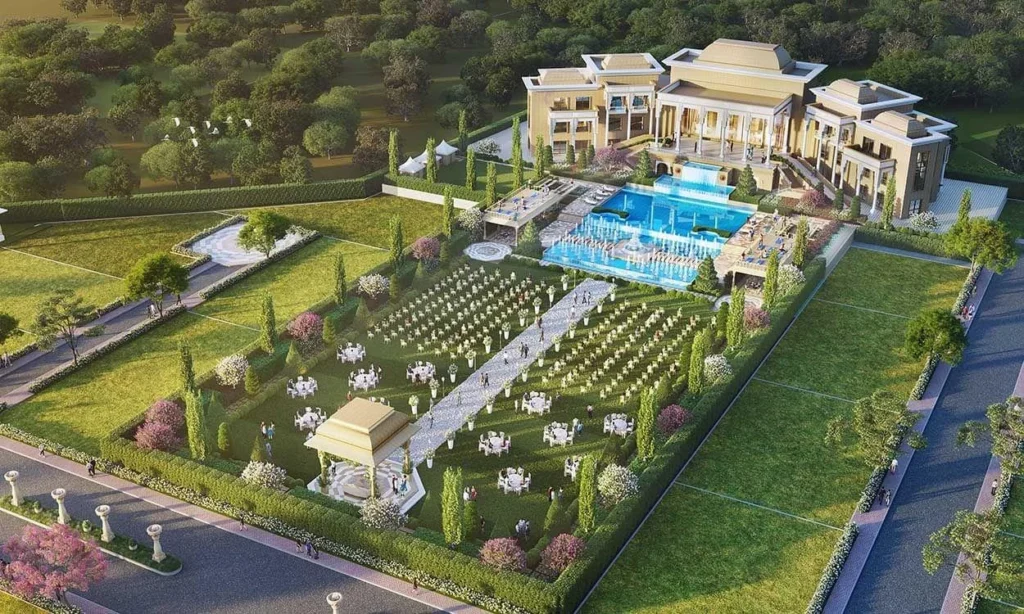
Many buyers are now choosing Konkan properties for:
- Yoga and holistic living
- Family bonding and digital detox
- Meditation and wellness retreats
This significantly reduces risks commonly associated with unorganized land purchases.